

Picture a vibrant taqueria in the heart of Chicago’s Pilsen neighborhood, where the aroma of sizzling carnitas fills the air and the line snakes out the door. A customer, pressed for time, pulls out their phone, taps a few times, and orders a torta with extra avocado, no cilantro. By the time they step inside, their meal is ready hot, fresh, and exactly as requested. This isn’t a scene from a sci-fi novel; it’s the new reality for ethnic quick-service restaurants (QSRs), where portable ordering tools are revolutionizing how customers dine and businesses operate.
Ethnic QSRs Go Digital
Ethnic quick-service restaurants think spicy Thai noodle joints, bustling Mexican taco stands, or cozy Ethiopian cafes are capturing a growing slice of the dining market with their bold, authentic flavors. A 2024 industry report pegs the global QSR market at $971.36 billion in 2024, forecasting a climb to $1,930.14 billion by 2032, with a robust 9.01% compound annual growth rate. In the U.S., the QSR sector is expected to reach $599.87 billion by 2032, fueled by a rising preference for quick, convenient dining. North America held a commanding 37.45% of the global market in 2024, with ethnic QSRs playing a pivotal role in this growth. The surge in digital food ordering platforms and delivery services has further accelerated this trend, as restaurants QSRs included pivot to meet consumer demand for speed and personalization.
For ethnic QSRs, portable ordering tools like mobile apps, self-service kiosks, and integrated online platforms are more than just tech they’re a lifeline. These tools allow brands to preserve their cultural authenticity while meeting modern expectations for efficiency and convenience, positioning them to thrive in a fiercely competitive landscape.
The Digital Dining Revolution
The COVID-19 pandemic reshaped the restaurant industry, thrusting contactless and mobile ordering into the spotlight. What began as a necessity during dine-in restrictions has become a cornerstone of modern dining. Customers now expect the ability to order from their smartphones, whether they’re grabbing takeout, dining in, or awaiting delivery. The 2024 report underscores the explosive growth of food delivery, driven by intuitive apps and websites that make ordering seamless.
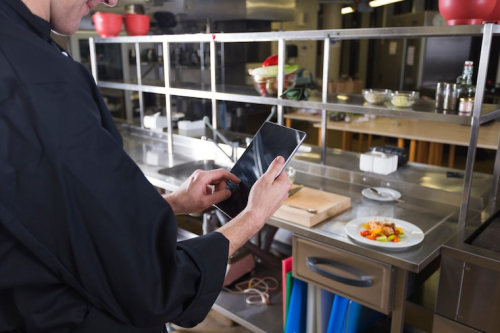
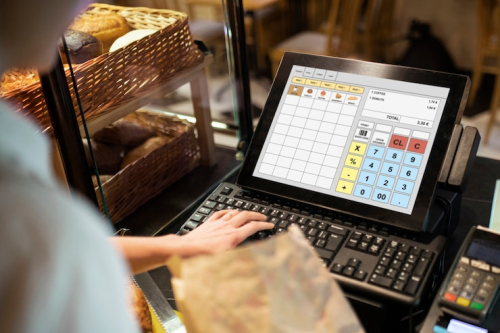
Ethnic QSRs have been quick to adapt. Consider a fast-casual Indian restaurant chain that rolled out a mobile ordering system. Customers can now place orders for chicken tikka masala while waiting in line, cutting wait times and boosting satisfaction. By syncing these tools with point-of-sale (POS) systems, restaurants gain real-time inventory updates, streamlined payment processing, and smoother kitchen operations. It’s a win for both speed and accuracy critical in the high-stakes world of quick-service dining.
Delivery and takeout have also seen a dramatic uptick. A Mediterranean QSR, for instance, integrated a mobile app that lets customers track deliveries and pay online, resulting in a 30% spike in delivery revenue within six months. For ethnic brands serving dishes like falafel or biryani, these tools bridge the gap between kitchen and customer, ensuring bold flavors reach diners wherever they are at home, work, or on the move.
Yet, the shift to digital isn’t just about convenience. It’s about meeting customers where they are, both physically and culturally. Ethnic QSRs, with their diverse menus, are uniquely positioned to capitalize on this trend, offering customizable options that resonate with a broad audience while leveraging technology to deliver them efficiently.
Navigating the Challenges
Adopting portable ordering tools isn’t without its obstacles, particularly for smaller ethnic QSRs. Many lack the technical know-how to implement sophisticated systems. A family-owned Vietnamese pho shop, for example, might find it daunting to integrate a mobile app with its existing setup, especially if staff are more accustomed to traditional order-taking. The costs software subscriptions, hardware upgrades, and employee training can also stretch slim budgets to the breaking point.
Customer adoption poses another hurdle. While younger diners embrace mobile apps, older customers or those less familiar with technology may prefer in-person ordering. Restaurants must strike a balance, offering user-friendly digital interfaces while maintaining traditional options. Multi-channel ordering online, in-store, or via third-party platforms like Uber Eats is essential to ensure no customer is left behind.
These challenges, though significant, are not insurmountable. The payoff streamlined operations, happier customers, and a competitive edge makes the investment worthwhile for ethnic QSRs willing to take the leap.
Seizing the Opportunities
Portable ordering tools open a world of possibilities for ethnic QSRs. At the top of the list is an enhanced customer experience. A busy parent can order a customized katsu curry extra rice, mild sauce while heading home, picking it up without delay. These systems also enable loyalty programs, allowing customers to earn rewards or redeem offers directly from their phones, fostering repeat visits and brand loyalty.
Operationally, the benefits are equally transformative. Automation reduces errors, like mistaking “spicy” for “mild,” freeing kitchen staff to focus on crafting dishes like lamb kebabs or jerk chicken. Real-time inventory tracking minimizes waste, a boon for restaurants juggling complex ingredients. For a small chain serving intricate dishes, this efficiency can mean the difference between profit and loss.
Perhaps the most powerful advantage is data. Every digital order generates insights into customer behavior: Which dishes are top sellers? When do orders peak? Are plant-based options gaining traction? Ethnic QSRs can harness this data to refine menus, optimize pricing, and craft promotions that turn one-time diners into regulars. In an industry where margins are tight, these insights are gold.
The Future of Ethnic QSRs
As the QSR market barrels toward a projected $1.93 trillion by 2032, ethnic brands face a defining moment. Those that embrace portable ordering tools will likely outpace competitors, delivering the speed, convenience, and personalization today’s diners demand. Industry leaders emphasize that the future of dining lies in technology that enhances, rather than overshadows, a brand’s cultural identity. Companies like Milagro Corp are at the forefront, offering integrated solutions that combine ordering, payments, and analytics into a single platform tailored for QSRs.
The roadmap for ethnic QSRs is clear: invest in intuitive mobile apps that simplify ordering, support multi-channel access to reach every customer, and leverage data to create personalized experiences. These steps ensure that the soul of a cuisine whether it’s the tang of tamarind or the warmth of injera remains front and center, even as technology streamlines the process.
Back in that Chicago taqueria, the lunch rush hums with energy. The line moves swiftly, but the atmosphere remains alive with the clatter of plates and the chatter of satisfied diners. Customers savor not just the flavors they love but the ease of a perfectly timed order, delivered with warmth and precision. For ethnic QSRs, portable ordering tools are more than a trend they’re the recipe for a future where authenticity and innovation go hand in hand, plate by plate.
Disclaimer: The above helpful resources content contains personal opinions and experiences. The information provided is for general knowledge and does not constitute professional advice.
You may also be interested in: Restaurant Management Blogs | Milagro
Scattered systems and manual processes erode your restaurant’s margins daily. Milagro unifies POS, digital menus, online ordering, staffing, loyalty, and AI-powered marketing into one platform, slashing costs and enhancing guest loyalty. Reclaim control over operations and drive revenue growth. Streamline your workflow and elevate profitability. Schedule your Milagro demo today!
Powered by flareAI.co