
Quick Listen:
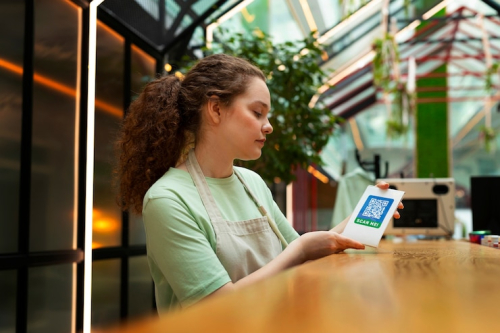
In a bustling neighborhood diner, the owner swipes through a tablet, checking real-time sales data while a server scans a QR code to process a contactless payment. Just a few years ago, this scene would have been unimaginable for a small, independent restaurant. Yet, today, technology is rewriting the rules of the game, enabling mom-and-pop eateries to rival the efficiency and polish of national chains. The gap between the little guys and the giants is shrinking, thanks to innovative platforms that streamline operations and elevate guest experiences.
Leveling the Playing Field: How Restaurant Tech Empowers Small Businesses to Compete With Chains
Independent restaurants have long faced an uphill battle against chain restaurants, which boast deep pockets, sophisticated systems, and brand loyalty. But the rise of accessible, cloud-based technology is changing that dynamic. According to the National Restaurant Association’s 2024 Technology Landscape Report, more than three in four restaurant operators say technology provides a competitive edge, transforming how they connect with customers and manage operations. For small businesses, platforms like Milagro’s all-in-one commerce solution integrating point-of-sale (POS), online ordering, guest management, loyalty programs, and marketing are proving to be game-changers. No longer is cutting-edge tech the exclusive domain of corporate giants.
The numbers tell a compelling story. The U.S. restaurant management software market generated $1,561.4 million in revenue in 2024 and is projected to soar to $3,355.2 million by 2030, growing at a compound annual growth rate (CAGR) of 14.1% from 2025 to 2030. Front-end software, like POS systems, led the market in 2024, while table and delivery management tools are seeing the fastest growth, reflecting consumer demand for seamless dining and takeout experiences. This surge underscores a broader truth: technology is no longer a luxury it’s a necessity for survival.
The Democratization of Restaurant Technology
The restaurant industry is in the midst of a tech revolution, and small operators are reaping the benefits. Cloud-based POS systems have become a cornerstone, allowing independents to process orders, track sales, and manage inventory with the same precision as chains. AI-driven tools, once reserved for big players, are now accessible, enabling personalized marketing campaigns that target customers with tailored offers. Mobile-first ordering and contactless payments have exploded, driven by consumer expectations for convenience, especially in the fast-casual sector, which is projected to reach $337.8 billion globally by 2032, growing at a CAGR of 10.4% from 2023 to 2032.
Integration is the new standard. Systems that connect POS, customer relationship management (CRM), and loyalty programs allow restaurants to create a seamless experience across dine-in, takeout, and delivery. This omnichannel approach mirrors the capabilities of chains like Chipotle or Starbucks, but now small operators can afford it. The rise in food delivery services and internet users, as noted in the fast-casual market report, has fueled this shift, making tech adoption critical for independents looking to capture a slice of the growing demand for convenience.
Real-World Wins: Independents Thriving with Tech
Consider a multi-unit pizzeria in Chicago. Using Milagro’s platform, the owner tracks customer preferences and sends personalized offers like a free side for frequent visitors boosting repeat visits by 20%. The system’s analytics pinpoint peak hours, helping optimize staffing and reduce wait times. In Texas, a small BBQ chain slashed costs by automating labor forecasting and inventory management. By syncing real-time data, the owner cut food waste by 15%, a savings that directly bolstered the bottom line. Meanwhile, a Latin American restaurant in Miami leveraged loyalty analytics to retain customers, outpacing local competitors by turning first-time diners into regulars through targeted promotions.
These aren’t isolated success stories. The global food service market is expected to grow by $1.07 trillion from 2024 to 2028, with a CAGR of 5.66%, driven by demand for dining out and trends like increased snacking. Independents using integrated platforms are well-positioned to capitalize on this growth, matching the operational efficiency of chains without the corporate overhead.
Challenges: What Holds Small Operators Back
Despite the promise, adopting new technology isn’t without hurdles. For many small restaurant owners, the upfront cost of a system like Milagro’s can feel daunting, especially when budgets are tight. Unlike chains with dedicated IT teams, independents often lack in-house tech support, making the transition from legacy systems intimidating. Integration woes can also arise older POS systems don’t always play nice with modern platforms, leading to disruptions. And then there’s the hesitation to dive into data analytics. For some, the idea of sifting through customer data to inform decisions feels like a foreign language, a far cry from the days of relying on gut instinct.
Labor shortages, a persistent challenge in the food service sector, add another layer of complexity. With fewer staff to manage operations, the pressure to automate is high, but learning curves can slow adoption. Yet, these obstacles aren’t insurmountable. Platforms designed for small businesses prioritize user-friendly interfaces and scalable pricing, easing the transition for operators who may not have a tech background.
Opportunities: Closing the Competitive Gap
Technology offers small restaurants a chance to level the playing field in ways that were unthinkable a decade ago. Automation reduces reliance on manual processes, from scheduling staff to tracking inventory, freeing owners to focus on the guest experience. Omnichannel ordering where customers can order online, via an app, or in-person with consistent ease creates a polished experience that rivals chains. Real-time data empowers owners to craft smarter promotions, like offering discounts during slow hours, or to optimize schedules based on peak times.
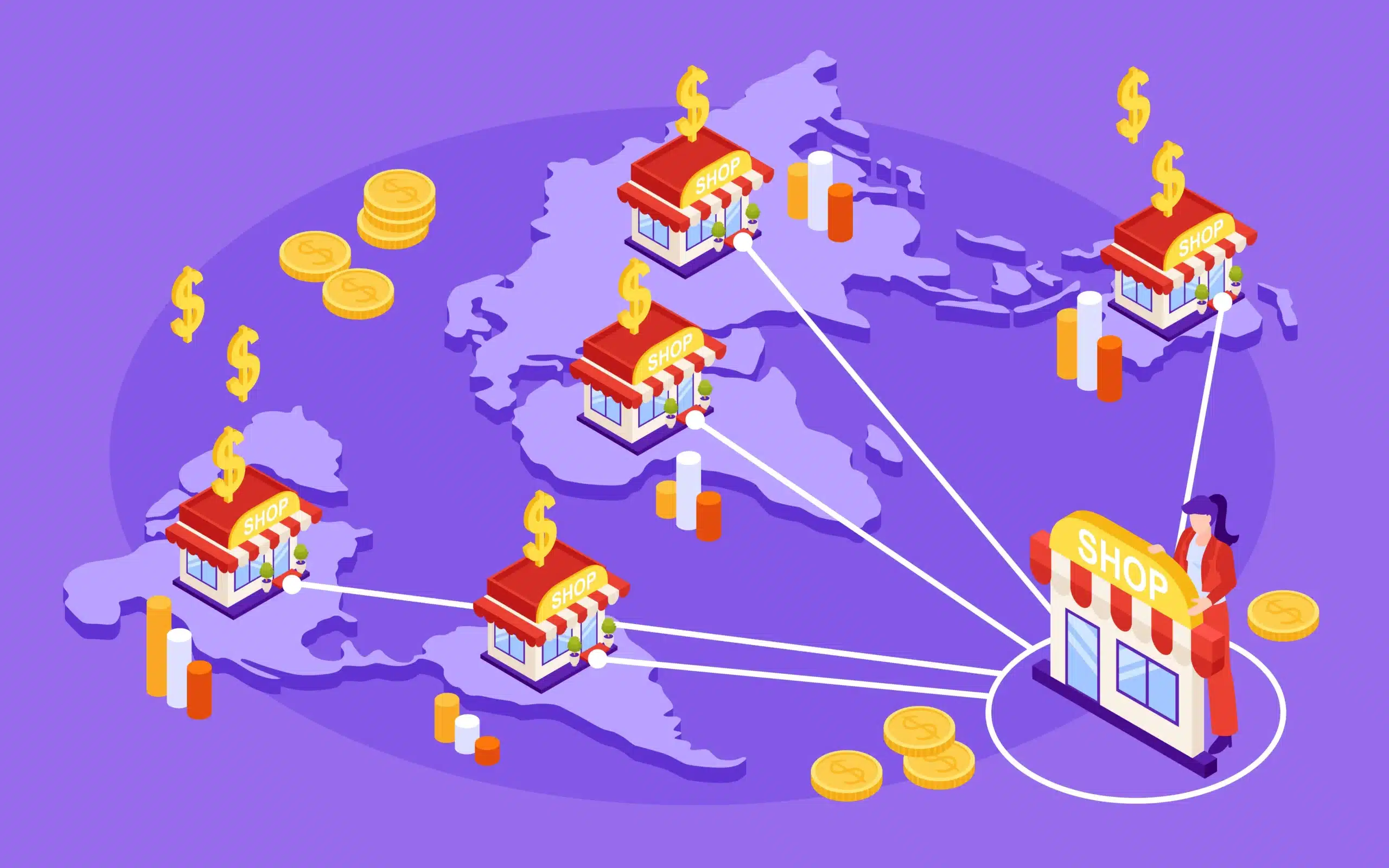
Perhaps most exciting is how technology unlocks growth. For independents eyeing expansion, platforms like Milagro’s streamline multi-unit management without requiring a massive staff. Owners can monitor performance across locations, standardize menus, and maintain consistent branding all with a few clicks. This scalability lets small chains grow without the bureaucratic bloat that often slows larger competitors.
A Future Where Independents Thrive
The restaurant industry is at a turning point. As consumer expectations evolve, driven by convenience and personalization, small businesses can’t afford to lag behind. Platforms like Milagro’s are more than tools they’re lifelines, enabling independents to match the speed, efficiency, and sophistication of national chains. “Technology is the great equalizer,” says a Milagro executive. “It gives small operators the tools to compete, not just survive.”
The data backs this up. With the food service market poised for massive growth and restaurant management software projected to more than double by 2030, the opportunity is clear. For independent owners, embracing tech isn’t just about keeping up it’s about setting the pace. By leveraging customer data, streamlining operations, and building loyalty, small restaurants can carve out a lasting place in a competitive landscape. The message is simple: innovate now, or risk being left behind.
Disclaimer: The above helpful resources content contains personal opinions and experiences. The information provided is for general knowledge and does not constitute professional advice.
You may also be interested in: Smart Restaurant Platforms for Small Business
Scattered systems and manual processes erode your restaurant’s margins daily. Milagro unifies POS, digital menus, online ordering, staffing, loyalty, and AI-powered marketing into one platform, slashing costs and enhancing guest loyalty. Reclaim control over operations and drive revenue growth. Streamline your workflow and elevate profitability. Schedule your Milagro demo today!
Powered by flareAI.co