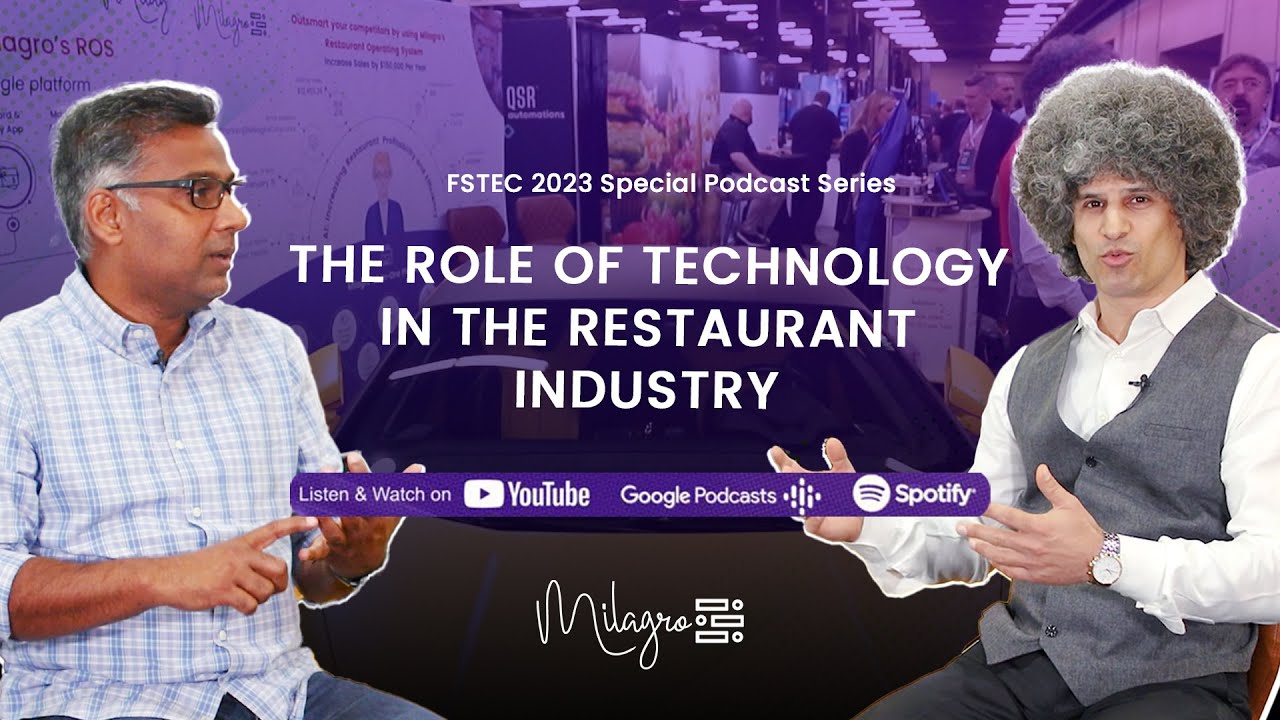


Quick Listen:
The clatter of plates and the hum of conversation fill the air at a packed LongHorn Steakhouse in Dallas, where the kitchen churns out perfectly timed orders and servers move with practiced ease. But beneath this orchestrated chaos lies a powerful, invisible force: data analytics. Small restaurants, from cozy Austin bistros to fast-growing chains like Dave’s Hot Chicken in Chicago, are discovering that data isn’t just for corporate giants it’s the key to thriving in a razor-thin-margin industry. By harnessing insights from customer habits to operational efficiencies, these businesses are rewriting the recipe for success.
Unlocking Growth for Small Restaurants
In an industry where customer expectations soar and competition is fierce, small restaurants in Texas, Chicago, and beyond are turning to technology to stay ahead. A 2023 report from DataHorizzon Research reveals that the global restaurant analytics software market, valued at USD 2.4 billion, is on track to reach USD 6.7 billion by 2033, driven by a robust 10.9% compound annual growth rate (CAGR) from 2025 to 2033. These platforms empower restaurants to dive deep into data tracking sales patterns, inventory needs, staff performance, and customer satisfaction to make informed decisions that boost profitability and enhance guest experiences.
Enter Milagro, a comprehensive commerce platform tailored for multi-unit restaurant groups. With tools to eliminate network outages, slash credit card processing fees, and drive revenue through automated customer engagement, Milagro is helping small restaurants compete with the big players. But how exactly does data analytics translate into real-world growth for these businesses, and what makes it a must-have in today’s dining landscape?
The Data-Driven Revolution in Dining
Step into a Jimmy John’s, and you’ll witness more than just lightning-fast sandwich assembly. Behind the scenes, analytics software is hard at work, pinpointing peak ordering hours and flagging underperforming menu items. This isn’t intuition it’s precision. As DataHorizzon Research notes, restaurant analytics tools provide critical insights into operational metrics, enabling businesses to optimize everything from inventory to labor costs. For small restaurants, this means turning raw data into strategies that drive efficiency and revenue.
For smaller chains like Northpoint Cafe or Cane Rosso, analytics is a game-changer. These businesses often lack the deep pockets of larger competitors but face the same demand for personalized dining experiences. By analyzing customer data say, spotting a surge in demand for a specific pizza topping in Austin restaurants can refine menus to maximize sales. Milagro’s platform amplifies this by automating tasks like sending targeted promotions to loyal patrons or predicting inventory needs to minimize waste. In an industry where margins are tight, these small adjustments can lead to substantial savings.
Predictive analytics takes this a step further. Picture a Chicago diner forecasting exactly how many burgers to prep for a busy weekend or anticipating a spike in demand for spicy wings during a sports event. By leveraging historical data, restaurants can optimize staffing, streamline inventory, and craft marketing campaigns tailored to specific customer groups. According to Global Growth Insights, the restaurant business intelligence market, valued at USD 593.7 million in 2023, is projected to climb to USD 1,257.86 million by 2032, with a CAGR of 8.7%. Fueled by advancements in AI and machine learning, these tools are reshaping how restaurants operate and compete.
Real-World Impact
Take LongHorn Steakhouse, a fixture in cities like Dallas. By using analytics, they fine-tune labor schedules to align with peak dining hours, ensuring staff aren’t idle during lulls or swamped during rushes. Data also guides menu decisions, highlighting high-margin dishes that keep customers returning. For smaller chains like Dave’s Hot Chicken, analytics powers loyalty programs that offer personalized deals, boosting customer retention in a crowded market.
Customer feedback is another treasure trove. Restaurants like Cane Rosso can analyze online reviews and social media buzz to identify strengths and weaknesses. A new dish earning glowing praise? Promote it heavily. Complaints about slow service? Analytics can uncover operational bottlenecks, like understaffed shifts or kitchen inefficiencies. This data-driven feedback loop keeps restaurants nimble, allowing them to adapt quickly to customer needs.
But it’s not just about operations. Analytics also unlocks revenue opportunities. By identifying cross-selling possibilities suggesting a dessert to pair with a popular entree, for instance restaurants can boost average check sizes. Milagro’s platform enhances this by automating targeted promotions, ensuring customers receive offers that resonate, like a discount on a favorite dish at Northpoint Cafe. These small, data-informed tweaks can significantly impact the bottom line.
Navigating the Challenges
Adopting analytics isn’t without hurdles. Small restaurants often face data overload too many numbers, not enough clarity on what to do with them. Turning raw data into actionable strategies requires expertise, which can intimidate smaller operations. Integration poses another challenge. As Milagro’s objections list highlights, swapping out legacy point-of-sale systems can disrupt operations, making owners hesitant to embrace new technology. Then there’s the cost: analytics tools require upfront investment and staff training, which can strain budgets for small businesses.
Yet these obstacles are not dealbreakers. Platforms like Milagro are built to ease integration, offering solutions that work seamlessly with existing systems. While case studies for newer platforms may be limited, the industry trend is undeniable: restaurants that adopt analytics gain a competitive edge. As DataHorizzon Research emphasizes, the growing demand for data-driven decision-making is pushing restaurants to embrace technology or risk falling behind.
The Rewards: Efficiency, Loyalty, and Profit
The benefits of analytics are concrete and compelling. By optimizing labor and inventory, restaurants can cut costs think reduced food waste and leaner staffing schedules. Milagro’s platform goes further by eliminating credit card processing fees, saving small restaurants thousands annually. Data also fuels customer loyalty. Personalized offers, like a tailored discount at Northpoint Cafe, make diners feel valued, encouraging repeat visits. And with analytics spotting opportunities for upselling or cross-selling, restaurants can drive revenue without added effort.
The numbers back this up. Global Growth Insights forecasts the U.S. restaurant analytics market to grow at a CAGR of 8.7% through 2032, driven by chains leveraging data to stay agile. For small restaurants, this levels the playing field, allowing them to compete with larger players by working smarter. In Kenya, for example, platforms like SimbaPOS are helping restaurants use analytics to boost performance, a trend that’s equally relevant in the U.S., as noted in a SimbaPOS blog.
A Future Powered by Data
As the restaurant industry evolves, data analytics is no longer optional it’s essential. From the high-energy kitchens of LongHorn Steakhouse to the rising stars like Dave’s Hot Chicken, small restaurants are using data to streamline operations, delight customers, and fuel growth. Industry experts are unequivocal: “Restaurants that embrace analytics will not only survive but dominate in a fiercely competitive market,” says a leading analyst from Global Growth Insights.
For small restaurant owners in Texas, Chicago, or across the U.S., the path forward is clear: invest in tools like Milagro to harness the power of data. Yes, challenges like integration and training exist, but the rewards cost savings, loyal customers, and increased revenue are transformative. In an industry where every seat matters, data analytics is the ingredient that can elevate a small restaurant from good to exceptional, keeping the tables full and the future bright.
Disclaimer: The above helpful resources content contains personal opinions and experiences. The information provided is for general knowledge and does not constitute professional advice.
You may also be interested in: Smart Restaurant Platforms for Small Business
Scattered systems and manual processes erode your restaurant’s margins daily. Milagro unifies POS, digital menus, online ordering, staffing, loyalty, and AI-powered marketing into one platform, slashing costs and enhancing guest loyalty. Reclaim control over operations and drive revenue growth. Streamline your workflow and elevate profitability. Schedule your Milagro demo today!
Powered by flareAI.co