

Every autumn, as leaves turn golden and the air grows crisp, restaurant menus across the country shift to embrace the season. Pumpkin-spiced lattes and hearty squash soups suddenly dominate, but the inspiration behind these dishes often comes from an unexpected source: Pinterest. Far from its origins as a platform for DIY crafts and wedding ideas, Pinterest has emerged as a culinary powerhouse, guiding restaurants from neighborhood bistros to national chains in crafting seasonal menus that captivate diners. This visual platform, brimming with vibrant images and creative ideas, is reshaping how the food industry innovates, offering a dynamic tool to curate menus that feel both timely and timeless.
Pinterest’s Culinary Ascent: A Hub for Food Trends
Pinterest has evolved into a vibrant repository of culinary inspiration, where images of sizzling dishes and artful plating spark creativity. Chefs and restaurateurs are drawn to its ability to showcase trends in real time, from plant-based comfort foods to hyper-seasonal ingredients. Pinterest reports that food and drink content drives millions of monthly searches, with spikes in queries for “seasonal recipes” as holidays approach. This makes it a vital resource for restaurants aiming to stay ahead of the curve.
For menu planners, Pinterest is like a crystal ball, revealing what diners crave before they articulate it. A glance at menu board inspiration unveils a gallery of innovative designs think sleek chalkboards, minimalist cards, or bold digital displays. These visuals, as highlighted in Pinterest’s curated collections, offer restaurants a blueprint for blending aesthetic appeal with trending flavors, from vibrant vegan bowls to rustic charcuterie spreads.
From Digital Pins to Dining Plates
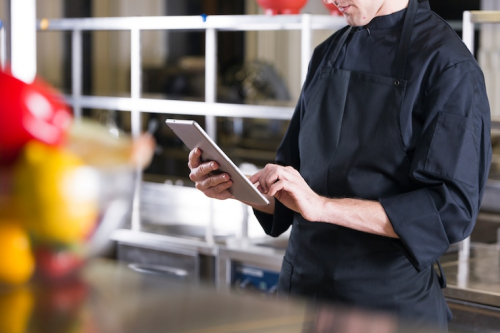
Imagine a chef, mid-shift in a bustling kitchen, scrolling through Pinterest for a burst of inspiration. This isn’t procrastination it’s strategic. Restaurants across sectors, from upscale dining to fast-casual, are using Pinterest as a digital mood board to shape their seasonal offerings. A farm-to-table restaurant in Seattle might pin images of roasted beets with pistachio crumble, while a taco stand in Austin saves shots of citrus-infused ceviche. These curated boards serve as a creative springboard, helping teams visualize dishes that resonate with the season.
Consider a national chain that noticed a surge in Pinterest searches for “cozy vegetarian dishes.” Inspired by a pinned image of a kale and roasted squash salad bathed in warm light, they introduced a similar dish that became a customer favorite. Smaller establishments are also tapping into this resource. A family-run café in Ohio drew from Pinterest’s menu board ideas to craft a summer dessert menu featuring peach cobblers and berry tarts, aligning perfectly with local tastes. As Pinterest’s inspiration hub notes, these boards are a treasure trove for restaurants seeking to elevate both flavor and presentation.
The platform’s visual nature makes it uniquely suited for menu ideation. A single image can convey a dish’s essence its colors, textures, and vibe faster than any written brief. This efficiency is critical in an industry where timing is everything, and Pinterest’s accessibility ensures that even small eateries with limited resources can compete in the innovation race.
Engaging Diners: The Power of Crowdsourced Creativity
Pinterest isn’t just a tool for chefs; it’s a conversation with diners. Customers and influencers alike contribute to the platform by pinning their own food photos, creating a feedback loop that restaurants eagerly monitor. A viral pin of a turmeric-spiced cauliflower steak might inspire a vegan diner to add it to their menu, while a food blogger’s “winter brunch ideas” board could shape a restaurant’s weekend specials. This interplay makes Pinterest a dual-purpose tool: a source of inspiration and a pulse on consumer desires.
Some restaurants are taking this engagement to the next level by inviting customers to co-create. A fast-casual chain in Denver launched a “Spring Menu Wishlist” board, encouraging followers to pin their ideal dishes. The result? A crowd-sourced menu featuring citrusy grain bowls and lavender-lemon spritzers, directly inspired by user pins. This approach not only fosters community but also turns diners into brand ambassadors, amplifying buzz around new offerings. By leveraging Pinterest’s interactive nature, restaurants are building stronger connections with their audience.
Navigating the Challenges: From Vision to Execution
Yet, for all its allure, Pinterest isn’t a cure-all. The platform’s stunning visuals can set unrealistic expectations. A photo of a caviar-topped tart might dazzle, but if caviar is out of budget or unavailable, it’s a pipe dream. Restaurants must also grapple with aligning Pinterest’s global trends with local palates. A Chicago diner might struggle to adapt a pinned recipe for Southeast Asian-inspired noodle bowls to a meat-and-potatoes crowd.
Maintaining brand identity is another hurdle. A barbecue joint that pivots to Pinterest-driven matcha desserts risks confusing its loyal customers. Cost and scalability further complicate matters. Translating a photogenic dish into a menu item that works for a high-volume kitchen often requires compromises on ingredients or labor, which can dim the original vision. “Pinterest makes it look seamless,” a restaurateur noted, “but the real work happens in the kitchen, balancing creativity with practicality.”
Then there’s the issue of trend overload. With Pinterest’s endless stream of ideas, restaurants can fall into the trap of chasing fads at the expense of authenticity. A disciplined approach curating boards with intention and filtering ideas through a brand’s lens is essential to avoid losing focus.
Efficiency and Impact: Pinterest as a Business Asset
Despite these challenges, Pinterest delivers tangible benefits. Menu development, often a grueling process of brainstorming and prototyping, becomes more efficient with curated boards. A single scroll can unearth ideas that might have taken weeks to develop otherwise. For smaller restaurants with tight budgets, this accessibility is transformative, leveling the playing field against larger chains.
Pinterest also fosters collaboration across teams. By sharing boards with suppliers, marketers, or front-of-house staff, restaurants can align their vision from sourcing to service. One regional chain reported slashing menu planning time by 20% after using Pinterest to streamline ideation. Beyond the kitchen, curated boards double as marketing tools, offering a sneak peek at new dishes to build anticipation among followers. This dual role creative catalyst and promotional platform makes Pinterest a uniquely powerful asset.
The platform’s data-driven insights add another layer of value. By analyzing search trends, restaurants can anticipate demand, whether it’s for sustainable seafood or gluten-free desserts. This predictive power helps eateries stay nimble, adapting to shifts in consumer preferences with precision.
Looking Ahead: Pinterest’s Lasting Role in Culinary Innovation
As digital tools reshape the food industry, Pinterest is securing its place as a cornerstone of menu innovation. Industry veterans see it as more than a passing trend it’s a paradigm shift. “Pinterest gives us a real-time window into what diners want,” a seasoned menu strategist observed. “It’s like a focus group that never sleeps.” Looking forward, the platform’s role is poised to expand, with advancements like AI-driven trend analysis and interactive boards promising even deeper insights.
For now, Pinterest remains a dynamic, inspiring space where a single image can ignite a culinary revolution. Whether it’s a perfectly plated dish that screams “autumn” or a vibrant summer salad, the journey from pin to plate is redefining how restaurants create. The next time you savor a seasonal special, consider this: it might have started as a late-night pin, saved by a chef with a spark of inspiration. For the food industry, Pinterest proves that the best ideas are often just a scroll away.
Disclaimer: The above helpful resources content contains personal opinions and experiences. The information provided is for general knowledge and does not constitute professional advice.
You may also be interested in: Why Internet Is Critical to Your Restaurant Operations
Scattered systems and manual processes erode your restaurant’s margins daily. Milagro unifies POS, digital menus, online ordering, staffing, loyalty, and AI-powered marketing into one platform, slashing costs and enhancing guest loyalty. Reclaim control over operations and drive revenue growth. Streamline your workflow and elevate profitability. Schedule your Milagro demo today!
Powered by flareAI.co