
Quick Listen:
Step into an urban wine bar, where the warm glow of Edison bulbs dances off polished stemware and the air hums with soft conversation and clinking glasses. These intimate venues, tucked into city corners from Brooklyn to Seattle, have long been sanctuaries for oenophiles seeking curated vintages and artful small plates. But beneath the charm lies a quiet transformation not in the wines or the ambiance, but in the data pulsing through point-of-sale (POS) systems. These tools are reshaping how wine bars craft their menus, turning every pour and plate into a calculated step toward profitability and guest delight.
In 2024, the global POS software market for restaurants is valued at $1.77 billion, with forecasts predicting a climb to $4.01 billion by 2033, driven by a 9.5% annual growth rate. This surge reflects a broader shift: 78% of restaurants worldwide now rely on POS systems, up from 42% in 2018, as they chase real-time insights and operational efficiency. For urban wine bars, where margins are tight and guest expectations soar, platforms like Milagro’s are proving essential, enabling owners to sculpt menus that balance artistry with analytics.
A New Era of Menu Engineering
The days of menus etched in chalk, updated only when the seasons turned, are fading. Urban wine bars are now harnessing POS data to make decisions once guided by instinct alone. These systems track every detail each bottle opened, every dish ordered, even the hour when guests lean toward a crisp Chenin Blanc over a robust Malbec. This data reveals patterns, like which reds dominate Friday nights or which appetizers consistently underperform, empowering owners to refine their offerings with precision.
Cloud-based POS systems, embraced by over 65% of small and medium-sized restaurants for their flexibility, are game-changers. Owners can monitor sales trends from anywhere behind the bar or across town while contactless payments, which skyrocketed 260% between 2020 and 2023, integrate seamlessly, enriching data collection. The result is a menu that evolves dynamically, shaped not by guesswork but by what guests demonstrably crave.
Data in Action: Real-World Wins
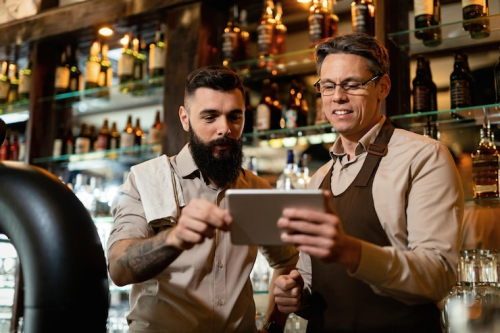
Imagine a sleek wine bar in downtown Los Angeles, where a Milagro POS system quietly records every transaction. The owner spots a trend: a truffle-laced bruschetta sells out whenever paired with a particular Pinot Noir. The data supports this observation, showing a strong correlation between the wine and the dish. Emboldened, the bar swaps a less popular dish for a new one that complements the Pinot’s earthy profile. Sales rise, and guests leave raving about the pairing.
Some bars adopt a test-and-learn mindset, using POS insights to experiment with limited-time offerings. A San Francisco venue might trial a new charcuterie board for a week, tracking its performance against staples. If sales lag, they pivot; if it shines, it earns a permanent spot. This nimble approach keeps menus vibrant and guests engaged, turning data into a creative ally.
These examples reflect a broader trend. Across urban centers, wine bars are using POS analytics to fine-tune their offerings, ensuring every item serves a purpose whether it’s driving revenue, complementing a wine, or delighting a loyal guest. The data doesn’t replace the sommelier’s expertise; it sharpens it, grounding creativity in evidence.
Navigating the Challenges
Yet, for all its promise, POS data isn’t a magic bullet. Many wine bar owners, especially at smaller venues, face a steep learning curve. A bartender might know every grape from Albariño to Zinfandel but struggle to interpret a sales dashboard. Without proper training, valuable data can go unused, a missed opportunity in a competitive market.
There’s also the risk of over-reliance. Focusing solely on top-sellers might lead a bar to cut a distinctive but less profitable dish, alienating regulars who cherish it. Menu fatigue is another pitfall change offerings too frequently, and guests may feel adrift, unable to find their favorite pour. For bars juggling multiple systems one for reservations, another for payments integration can be a challenge, fragmenting insights. Solutions like Milagro, which consolidate data, help, but the industry still grapples with finding balance: data as a tool, not a tyrant.
Seizing Opportunities, Sip by Sip
When used wisely, POS data unlocks a wealth of possibilities. Profitability soars when owners pinpoint high-margin pairings, like a charcuterie board that sells briskly alongside a mid-range Syrah. Waste plummets as data flags slow-moving inventory an overstocked Riesling, for instance before it becomes a liability. Guests feel valued when loyalty data prompts staff to highlight their preferred Sauvignon Blanc or suggest a new pairing.
Pricing, too, becomes a strategic lever. A wine bar might test two price points for a sparkling flight, using POS data to identify which maximizes sales without eroding margins. Marketing grows sharper: automated campaigns, tied to POS insights, can promote a top-selling Merlot via email or social media, luring guests back. In an industry where ambiance is paramount, these data-driven tweaks ripple outward, enhancing every facet of the experience.
The impact extends beyond the menu. By analyzing peak hours or staff performance, POS systems can optimize scheduling, ensuring the right team is on hand during a Friday rush. Inventory management tightens, reducing overstock and spoilage. Each insight builds a leaner, more resilient operation, critical in a sector where margins are often tight.
The Future of Wine Bar Menus
As urban wine bars dive deeper into data, the horizon sparkles with possibility. Predictive analytics could soon recommend pairings based on weather, local events, or social media trends. A Milagro strategist notes that technology is evolving to make decisions more precise, serving what guests want with minimal guesswork.
For wine bars hesitant to embrace analytics, the advice is simple: start small. Track one metric, like the top-selling varietal each month, and experiment from there. As familiarity grows, POS systems can transform not just menus but entire operations staffing, inventory, even marketing. In a world where every pour tells a story, data ensures it’s a lucrative one.
Urban wine bars remain places of connection, where glasses clink and stories unfold. Yet beneath the romance, a data-driven revolution is redefining success. By marrying intuition with analytics, owners are crafting menus that don’t just captivate they thrive. In the soft flicker of candlelight, the numbers are pouring a new kind of magic, one that promises profitability as rich as the wines themselves.
Disclaimer: The above helpful resources content contains personal opinions and experiences. The information provided is for general knowledge and does not constitute professional advice.
You may also be interested in: Restaurant Management Blogs | Milagro
Scattered systems and manual processes erode your restaurant’s margins daily. Milagro unifies POS, digital menus, online ordering, staffing, loyalty, and AI-powered marketing into one platform, slashing costs and enhancing guest loyalty. Reclaim control over operations and drive revenue growth. Streamline your workflow and elevate profitability. Schedule your Milagro demo today!
Powered by flareAI.co