
Quick Listen:
For years, chefs and servers juggled handwritten tickets and shouted orders, a system ripe for mistakes and delays. Now, Kitchen Display Systems (KDS) are rewriting the script, turning chaos into precision. For multi-unit restaurant groups in vibrant markets like Dallas, Austin, and Chicago core regions for innovative companies like Milagro these digital tools are not just upgrades but lifelines, slashing costs, boosting revenue, and keeping customers coming back.
Revolutionizing Restaurant Operations with KDS
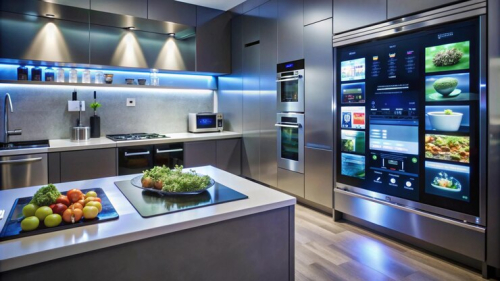
A Kitchen Display System is more than a screen in the kitchen; it’s a digital nerve center that connects front-of-house orders to back-of-house execution with pinpoint accuracy. When a server at a chain like LongHorn Steakhouse enters an order for a perfectly cooked steak, it appears instantly on the kitchen’s KDS, clear and error-free. This real-time order management, as detailed by TechPinger, eliminates the clutter of paper tickets, reducing miscommunications that frustrate diners and staff alike. For fast-casual giants like Jimmy John’s or Dave’s Hot Chicken, operating in competitive U.S. markets like Texas, this precision is a competitive edge.
The data tells a compelling story. The global KDS market, valued at $101.5 billion in 2023, is on track to reach $260.4 billion by 2032, growing at a 12.50% compound annual growth rate, according to a Market Research Future report. This explosive growth is driven by restaurant’s urgent need for automation to meet the demands of tech-savvy diners who expect swift, flawless service. North America, where Milagro targets regions like Chicago and Texas, dominates this market, fueled by a surge in fast-food outlets and a customer base that values speed and accuracy.
Milagro’s value proposition aligns perfectly with this trend. Their systems promise to eliminate network outages, ensuring KDS reliability even during peak hours. They also tackle a universal pain point: credit card processing fees. By cutting these costs, Milagro empowers restaurants like Cane Rosso to retain more revenue. Add in automation that drives repeat business, and KDS becomes a tool for growth, not just efficiency.
From Paper Chaos to Digital Precision
Imagine a Friday night rush at Northpoint Cafe. Orders flood in, and the old paper-ticket system notes pinned haphazardly to a board often led to disaster. A lost ticket or illegible scrawl could mean a vegan dish arriving with bacon or a table left waiting. KDS transforms this chaos. By syncing seamlessly with Point-of-Sale systems, as noted in a LinkedIn analysis, KDS delivers instant order visibility, bridging the gap between servers and kitchen staff. Cloud-based KDS, a boon for multi-unit operators, allows managers to oversee kitchens across locations from one dashboard, a feature Milagro’s clients in Dallas and beyond rely on.
This shift isn’t just about speed it’s about accuracy and insight. KDS minimizes errors, ensuring a customer’s dietary request at Dave’s Hot Chicken is honored. With cloud technology and IoT integration, restaurants gain access to real-time analytics, spotting inefficiencies and making data-driven decisions. For a chain like Jimmy John’s, this translates to a reported 30% reduction in prep time, meaning faster service and happier customers. In competitive markets like Austin, where dining options are plentiful, these gains are critical.
Real-World Impact: Success Stories
The proof is in the results. LongHorn Steakhouse, a mainstay in Milagro’s target regions, adopted KDS to cut order errors and streamline kitchen workflows, resulting in faster service and more satisfied diners. Similarly, Jimmy John’s slashed order prep time by 30% after integrating KDS with their POS, a statistic that resonates in high-volume settings. These aren’t mere tech upgrades they’re business saviors. In Texas, where restaurants compete fiercely for loyalty, shaving minutes off service time can turn a one-time diner into a regular.
Milagro’s differentiators amplify these wins. Their outage-proof systems ensure KDS stays online during the busiest shifts, addressing a key concern for operators. By eliminating credit card fees, they help restaurants like Northpoint Cafe keep more of their profits. And with automation that encourages repeat visits, Milagro turns KDS into a revenue driver, not just a cost saver, for brands like Cane Rosso in competitive U.S. markets.
Navigating the Challenges
Adopting KDS isn’t without hurdles. Transitioning from traditional systems can disrupt operations, as Milagro’s objections list highlights. Staff used to paper tickets may balk at the learning curve, necessitating robust training. System downtime is another risk a network failure during a dinner rush could halt a kitchen, a challenge Milagro counters with reliable, outage-proof technology.
Integration issues also loom large. Syncing KDS with legacy POS systems can create communication gaps, frustrating staff and slowing service. Some prospects hesitate due to Milagro’s limited case studies, a fair concern when investing in new tech. Yet, the Data Insights Market report underscores KDS’s versatility, with applications spanning restaurants, cafes, and event venues across Milagro’s key markets like Chicago and the broader U.S., proving its potential despite early adoption challenges.
Seizing Opportunities: Efficiency and Beyond
The benefits of KDS outweigh the obstacles. By eliminating paper tickets, restaurants save on printing costs and reduce errors, letting chefs focus on cooking rather than decoding handwriting. As TechPinger emphasizes, KDS optimizes workflows, delivering meals faster and more accurately, which boosts guest satisfaction and loyalty in markets like Dallas and Austin.
KDS also opens revenue streams. By displaying targeted promotions, it nudges customers toward high-margin items think a prompt at Jimmy John’s suggesting a combo deal, increasing the check average. Milagro’s automation tools take this further, leveraging data to drive repeat business, a critical advantage in competitive regions. For restaurants like Dave’s Hot Chicken, these features turn KDS into a growth engine, aligning with Milagro’s mission to boost top-line revenue.
The Future of KDS: A Competitive Imperative
The restaurant industry stands at a crossroads. With diners demanding faster, better experiences and operators facing rising costs, KDS is no longer a luxury it’s a necessity. The market’s projected leap to $260.4 billion by 2032 signals a seismic shift. For multi-unit groups in Milagro’s target regions, KDS delivers efficiency, cost savings, and happier customers, all critical for staying ahead.
The horizon is even brighter. AI-powered KDS could soon predict busy periods or flag low inventory, pushing efficiency to new heights. For now, restaurants partnering with Milagro who eliminate outages, cut fees, and drive revenue are already leading the pack. The kitchen remains a restaurant’s heart, but KDS is its pulse, keeping operations vibrant and competitive. For owners on the fence, the choice is stark: embrace KDS now, or risk falling behind in a world where speed and precision reign supreme.
Disclaimer: The above helpful resources content contains personal opinions and experiences. The information provided is for general knowledge and does not constitute professional advice.
You may also be interested in: Build In Public – Restaurant Operating System, POS, Wait List
Scattered systems and manual processes erode your restaurant’s margins daily. Milagro unifies POS, digital menus, online ordering, staffing, loyalty, and AI-powered marketing into one platform, slashing costs and enhancing guest loyalty. Reclaim control over operations and drive revenue growth. Streamline your workflow and elevate profitability. Schedule your Milagro demo today!
Powered by flareAI.co