

Quick Listen:
On a hectic Friday night, servers weave through crowded dining rooms, chefs race to plate orders, and managers juggle a dozen tasks tracking inventory, scheduling staff, and ensuring the point-of-sale system doesn’t falter. Historically, restaurants have relied on a disjointed array of tools: one for payroll, another for inventory, a third for online orders. The result was a logistical nightmare, with managers piecing together data like a jigsaw puzzle. But a technological revolution is underway. All-in-one restaurant management platforms sleek, unified systems that handle everything from payments to employee scheduling are transforming the industry. These platforms aren’t just tools; they’re a lifeline for restaurants navigating an era where efficiency is paramount.
A New Era of Integrated Solutions
The restaurant industry has long grappled with fragmented technology. Point-of-sale systems, inventory trackers, and scheduling apps often operated in silos, forcing managers to manually sync data and pray for accuracy. That’s changing fast. A comprehensive market report highlights the rapid evolution of restaurant management software, driven by demand for streamlined operations across regions like North America, Europe, and Asia Pacific. The shift is clear: restaurants are abandoning patchwork systems for all-in-one platforms that consolidate critical functions into a single, intuitive interface.
These platforms, like those pioneered by companies such as Milagro, integrate order management, accounting, payroll, and more, allowing managers to monitor sales, adjust staffing, and track inventory in real time without juggling multiple apps. The global restaurant management software market, valued at $5.52 billion in 2024, is projected to surge to $22.33 billion by 2034, growing at a robust 15% CAGR. This growth underscores a fundamental shift: from corner bistros to global chains, restaurants are embracing technology that simplifies operations while amplifying performance.
Cloud-based systems are the backbone of this transformation. Unlike legacy systems tied to clunky on-site servers, cloud platforms offer unmatched flexibility. Managers can update menus from a smartphone or access sales data during off-hours. The Asia Pacific region is leading this charge, with a projected 17.3% CAGR through 2030, driven by tech-forward markets like India (18.9% CAGR) and China (16.6% CAGR). For restaurant owners, cloud technology isn’t just a convenience it’s a strategic advantage, enabling scalability and real-time decision-making.
Technology Reshaping the Dining Experience
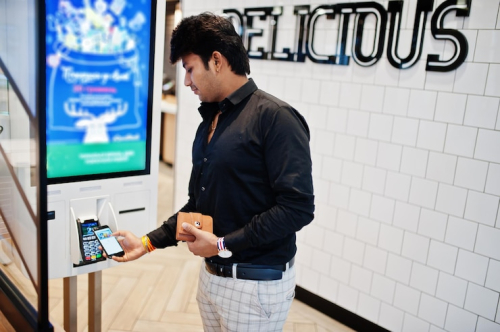
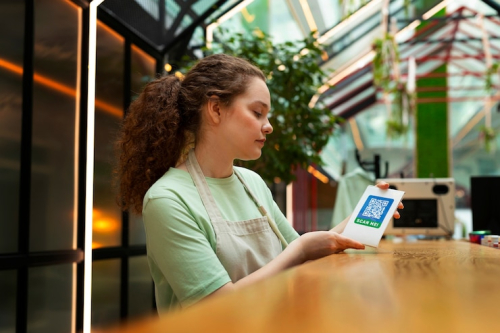
All-in-one platforms are more than just back-office tools; they’re redefining how restaurants interact with customers. In a post-pandemic world, mobile ordering and contactless payments have become non-negotiable. Diners expect to scan a QR code, place an order, and pay without touching a menu. These platforms deliver, seamlessly blending payment processing with order management to keep service swift and tables turning. Artificial intelligence is also making waves. According to a market analysis on LinkedIn, AI-powered analytics enable restaurants to track customer preferences, forecast demand, and adjust pricing dynamically. Automated inventory systems reduce waste, while AI-driven chatbots handle reservations and inquiries with precision. This market, valued at $5.2 billion in 2024, is expected to reach $11.7 billion by 2033, growing at a 9.8% CAGR.
Consider a mid-sized restaurant chain in Seattle. Before adopting an all-in-one platform, its managers spent hours reconciling online orders with in-house systems, often resulting in overstocked supplies or missed orders. After implementing an integrated solution, the chain saw significant improvements in order processing efficiency, reduced food waste, and launched a loyalty program that increased customer retention. These results aren’t anomalies. From cozy cafes to sprawling franchises, restaurants are reaping the benefits of faster service, leaner operations, and happier patrons.
Navigating the Challenges
Adopting an all-in-one platform isn’t without hurdles. For many restaurants, especially smaller ones, the initial investment can feel daunting. A recent industry study cites high implementation costs and a lack of technical expertise as significant barriers, particularly for independent operators. Staff training presents another challenge busy servers and cooks may resist learning a new system when time is already scarce.
Integration with existing technology can also be tricky. Legacy POS systems or outdated accounting software often clash with modern platforms, leading to costly workarounds or data migration headaches. Data security is another concern. With customer information and operational metrics stored in the cloud, restaurants face the risk of cyberattacks that could undermine trust and invite regulatory penalties. Yet, as platforms evolve with user-friendly designs and advanced encryption, these challenges are becoming more manageable, making the transition worthwhile for many.
The Rewards of Integration
The benefits of all-in-one platforms are undeniable. By automating tasks like scheduling and inventory management, these systems free managers to focus on strategy and guest experience. The global all-in-one platform market, valued at $14.5 billion in 2022, is forecasted to reach $29.2 billion by 2029, growing at a 10.3% CAGR. Restaurants adopting these platforms report significant reductions in labor costs and inventory waste, translating to healthier bottom lines.
Customers also feel the impact. Platforms that integrate loyalty programs and personalized marketing can transform casual diners into regulars. Imagine a system that identifies a customer’s favorite dish and sends a tailored discount as they pass by a small touch that boosts loyalty and revenue. For multi-location chains, the ability to manage menus, pricing, and staffing across dozens of sites from a single dashboard ensures consistency and scalability, eliminating the need for micromanagement.
Charting the Future
As the restaurant industry evolves, all-in-one platforms are becoming indispensable. The market’s projected growth, from $6.54 billion in 2025 to $13.01 billion by 2030 at a 14.74% CAGR, signals their enduring relevance. Choosing the right platform, however, requires careful consideration. A small diner may prioritize simplicity, while a multi-unit chain needs robust analytics and scalability. Industry experts advise selecting a system that balances ease of use with long-term growth potential.
The future promises even greater innovation. AI and machine learning will continue to enhance these platforms, enabling features like predictive inventory management or menu adjustments based on local trends. Self-service kiosks and mobile POS systems are already gaining traction, and emerging technologies like voice-activated ordering or predictive staffing models could soon follow. In an industry where margins are razor-thin and competition is relentless, all-in-one platforms offer a clear path to efficiency, resilience, and growth.
Disclaimer: The above helpful resources content contains personal opinions and experiences. The information provided is for general knowledge and does not constitute professional advice.
You may also be interested in: Restaurant Employee Handbook | Employee Handbook Template
Scattered systems and manual processes erode your restaurant’s margins daily. Milagro unifies POS, digital menus, online ordering, staffing, loyalty, and AI-powered marketing into one platform, slashing costs and enhancing guest loyalty. Reclaim control over operations and drive revenue growth. Streamline your workflow and elevate profitability. Schedule your Milagro demo today!
Powered by flareAI.co