
Quick Listen:
Full-service restaurants, where diners expect a polished experience with hosts, waitstaff, and attentive table service, face relentless operational demands. From juggling high order volumes to managing inventory and fostering customer loyalty, precision is paramount. Integrated POS systems serve as the central hub, seamlessly connecting ordering, payment processing, inventory tracking, and customer relationship management. Gone are the days of clunky cash registers; today’s systems often cloud-based and mobile function as the operational backbone, streamlining everything from the dining room to the back office.
The rise of cloud-based POS systems has reshaped the industry. Valued at $6.19 billion in 2024, the global cloud POS market is expected to reach $45.20 billion by 2033, with a robust CAGR of 24.7%. These systems enable restaurateurs to access real-time data remotely, whether they’re on the floor or halfway across the globe. Need to check sales trends, adjust stock levels, or refine the menu? Cloud technology makes it possible without being chained to a back-office computer. This flexibility drives smarter decisions in an industry where razor-thin margins demand agility.
Driving Efficiency with Cutting-Edge Features
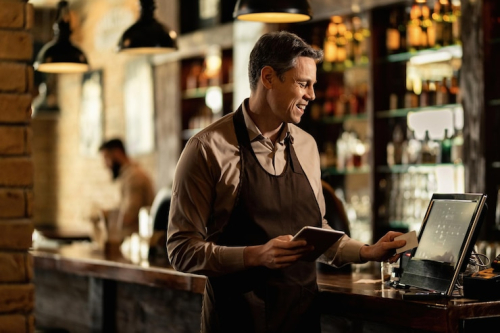
Mobile POS systems are transforming how orders are handled. Imagine a server capturing a table’s order on a tablet, sending it directly to the kitchen without a single step toward a fixed terminal. This not only accelerates service but also slashes errors a critical benefit noted in industry analyses. Fewer mistakes mean fewer comped meals and happier diners. The full-service restaurant POS market, valued at $8.1 billion in 2023, is projected to hit $15.8 billion by 2032, growing at a CAGR of 7.8%, fueled by demand for such efficiencies.
Integration with third-party platforms is another game-changer. Modern POS systems sync effortlessly with delivery services, online ordering platforms, and loyalty programs, creating a cohesive operational ecosystem. Inventory management, for instance, becomes a breeze with real-time tracking that alerts managers to low stock. The integrated smart POS market is set to reach $9,106.2 million by 2025, with a CAGR of 9.1% through 2033, driven by the growing adoption of digital payments and the need for personalized customer interactions. By unifying inventory, orders, and customer data, these systems enable restaurants to run with clockwork precision.
Data analytics is where POS systems truly shine. Beyond processing transactions, they deliver insights that shape strategy. Real-time reports reveal top-selling dishes, highlight effective promotions, and even forecast sales trends. A restaurant might discover that craft cocktails spike on weekends, prompting a targeted happy hour. These data-driven decisions empower restaurants to adapt swiftly to customer preferences, boosting both efficiency and revenue.
Success Stories from the Dining Room
Real-world examples illustrate the transformative power of integrated POS systems. At a vibrant urban bistro, long wait times once drove customers away. By implementing a tablet-based POS system, the restaurant cut order-to-table times by 20%. Servers sent orders directly to the kitchen, eliminating handwritten tickets and reducing miscommunications. The result was faster service, happier diners, and increased table turnover outcomes backed by market data highlighting POS-driven efficiency.
Inventory challenges met their match at a family-run grill. Struggling with food waste, the restaurant integrated its POS with inventory software, enabling real-time tracking of ingredient usage. The system flagged overstocked items, allowing the chef to craft specials that used excess ingredients, cutting waste by 15% and saving thousands annually. Such precision underscores why restaurants are adopting POS systems with advanced features like inventory and CRM integration.
Customer experience is another area where POS systems excel. A trendy downtown eatery leveraged its POS to track diner preferences, enabling servers to offer tailored recommendations and loyalty rewards. The result? A 10% increase in repeat visits, proving technology can forge meaningful connections. As diners demand more personalized experiences, POS systems are becoming vital for building loyalty and driving revenue.
Navigating the Challenges
Adopting an integrated POS system isn’t without obstacles. The initial investment can be daunting, particularly for smaller restaurants. Beyond hardware and software costs, ongoing maintenance and subscription fees add up. For legacy establishments with outdated systems, integration can be a logistical nightmare, with compatibility issues demanding expensive solutions.
Staff training poses another hurdle. Transitioning from pen-and-paper to digital interfaces requires time and patience. A veteran server might resist learning a tablet-based system, and without thorough training, the technology’s benefits remain untapped. Cybersecurity is also a pressing concern. As digital payments surge driving growth in the U.S. POS market to a projected $17,389.0 million by 2032 restaurants must prioritize robust security to protect customer data from breaches.
The Rewards: Efficiency and Profitability
Despite these challenges, the benefits are compelling. Integrated POS systems streamline operations, reducing order errors and improving communication between the kitchen and front of house. Contactless payment options cater to modern diners, speeding up checkouts and enhancing satisfaction. The result is a smoother operation that keeps customers coming back.
The financial upside is equally significant. By optimizing inventory, reducing waste, and fostering customer loyalty, restaurants can boost profitability. Market data confirms that POS adoption drives smarter resource allocation and pricing strategies, critical in an industry where margins are slim. For full-service restaurants, these efficiencies can be the difference between surviving and thriving.
The Future of Restaurant Technology
Industry experts predict an even brighter future for POS systems, with artificial intelligence and automation set to take center stage. Imagine a POS that anticipates peak hours and adjusts staffing or suggests menu pairings based on a diner’s history. These innovations are already emerging, promising to further streamline operations and elevate the dining experience.
For restaurants eyeing a POS upgrade, scalability is crucial. Opt for a system that grows with your business, integrates with new technologies, and offers reliable support. As one industry leader noted, “A great POS system isn’t just technology it’s a strategic partner in success.” With the global POS market on track to skyrocket, full-service restaurants have a golden opportunity to harness these tools, streamline operations, and deliver unforgettable dining experiences. In an era where every detail matters, that’s the recipe for enduring success.
Disclaimer: The above helpful resources content contains personal opinions and experiences. The information provided is for general knowledge and does not constitute professional advice.
You may also be interested in: Restaurant System Integration Solutions | Restaurant Integration
Scattered systems and manual processes erode your restaurant’s margins daily. Milagro unifies POS, digital menus, online ordering, staffing, loyalty, and AI-powered marketing into one platform, slashing costs and enhancing guest loyalty. Reclaim control over operations and drive revenue growth. Streamline your workflow and elevate profitability. Schedule your Milagro demo today!
Powered by flareAI.co