

In the restaurant industry, a great meal gets a guest through the door once. What brings them back is how valued they feel every time after that. Customer retention is one of the most underleveraged growth levers in hospitality — and in 2026, the restaurants winning on loyalty aren’t just offering good food. They’re building systems that recognize guests, reward behavior, and create reasons to return before the check is even paid.
This guide breaks down what restaurant loyalty really means, why it matters more than ever, and exactly how to build a loyalty program that turns first-time diners into regulars who spend more, visit more often, and bring others with them.
What is Restaurant Loyalty & Why It Matters
Restaurant loyalty is the ongoing preference a guest develops for your establishment over every other option available to them. It goes beyond liking your food — it’s the habit of choosing you, the comfort of being recognized, and the expectation of a consistently great experience.
The business case is clear. Acquiring a new customer costs significantly more than retaining an existing one, yet most restaurants pour their marketing budgets into reaching new diners rather than deepening relationships with the ones they already have. Loyal customers spend more per visit, return more frequently, and actively refer others — making them far more valuable over time than a one-time guest who never comes back.
Research consistently shows that repeat customers spend more on average than new diners and that even modest improvements in retention rates can drive significant profit growth. For restaurants operating on margins as thin as 3–5%, loyal regulars aren’t just a nice outcome — they’re a financial necessity.
Benefits of Customer Loyalty Programs for Restaurants
A well-designed customer loyalty program for restaurants does far more than hand out discounts. It creates a structured engine for growth.
Loyalty programs encourage repeat visits by giving guests a tangible reason to return. They build emotional connection by making guests feel recognized and appreciated rather than anonymous. They increase average order value because customers motivated by rewards are more likely to add an appetizer, upgrade a drink, or order dessert to reach the next threshold.
Equally important, loyalty programs are data collection tools. Every enrollment, transaction, and redemption tells you something about who your guests are, what they order, and how often they visit. That data enables personalized marketing — birthday offers, targeted promotions, re-engagement campaigns — that feels relevant rather than generic. And when guests feel genuinely valued, they talk about it, driving word-of-mouth referrals that no ad budget can fully replicate.
Types of Loyalty Programs for Restaurants
Points-Based Loyalty Programs
The most widely used format in loyalty rewards programs for restaurants. Guests earn points for every dollar spent and redeem them for rewards like free meals, discounts, or exclusive items. Simple to understand, easy to track digitally, and effective at encouraging higher spend per visit.
Tier-Based Loyalty Programs
Bronze, Silver, and Gold membership levels that unlock progressively better perks. Tier-based structures reward long-term engagement and create a sense of status that motivates guests to keep climbing. Gold members might receive priority reservations, exclusive menu access, or complimentary upgrades that make them feel like true insiders.
Visit-Based Programs
Rewards based on the number of visits rather than dollars spent. Particularly effective for cafés and QSRs where ticket sizes are smaller but visit frequency is high. A “buy nine, get the tenth free” model is straightforward and proven to drive habitual return visits.
Cashback & Discount Programs
Direct savings on future visits. These programs are easy for guests to understand and create an immediate incentive to return. They work especially well when tied to a digital platform that tracks and applies savings automatically at checkout.
Restaurant Membership Programs
Monthly or annual subscription models that offer exclusive perks in exchange for a recurring fee. Priority reservations, members-only menu tastings, free dishes, and early event access all make the membership feel premium. For the right concept and audience, this model generates predictable recurring revenue while deepening guest commitment.
Best Loyalty Program Ideas for Restaurants
The structure of your program matters, but so does what’s inside it. The most effective loyalty program ideas for restaurants combine transactional value with memorable experiences. Birthday and anniversary rewards make guests feel personally recognized on days that matter to them. Referral bonuses reward loyal guests for bringing new ones, expanding your base organically. Gamified reward systems — spin-to-win offers, challenges, digital scratch cards — add an element of fun that keeps engagement high between visits. Limited-time double points events create urgency and drive traffic on slower days. VIP exclusive menu tastings give your best guests access to something money can’t ordinarily buy. Family bundle rewards cater to higher-spend group visits, and social media engagement rewards — points for tagging, reviewing, or sharing — extend your reach without additional ad spend.
Using Technology: Loyalty Apps for Restaurants
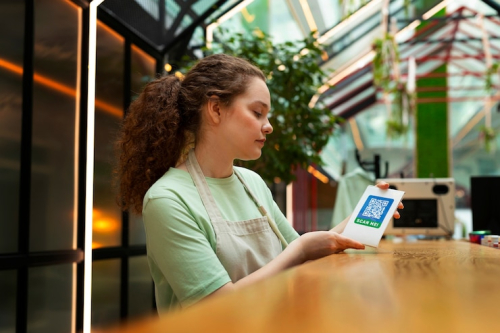
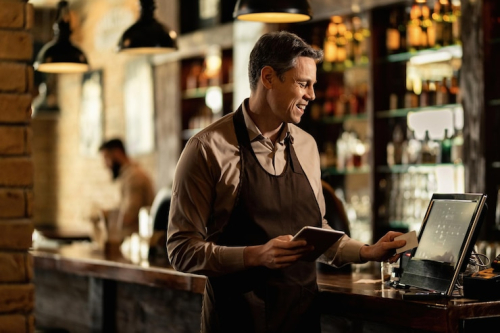
Punch cards are a relic. Today’s loyalty apps for restaurants handle everything digitally — and the difference in effectiveness is significant. A modern loyalty platform integrates directly with your POS, awarding points automatically at checkout with no manual tracking required. Mobile ordering integration means guests can earn rewards whether they’re dining in, ordering online, or picking up curbside. Push notifications deliver timely offers when guests are most likely to act on them. QR-based rewards and digital wallets remove friction from the redemption process entirely. Most importantly, loyalty technology tracks customer behavior — visit frequency, average spend, preferred menu items, last visit date — and uses that data to trigger the right message at the right time. Re-engaging a guest who hasn’t visited in 45 days with a personalized offer is only possible when the technology is capturing and acting on that data automatically.
How to Design the Best Restaurant Loyalty Program
Understand Your Audience
Start with your guests. What do they order most? How often do they visit? Are they motivated by savings, experiences, or recognition? Dining preferences, spending patterns, and visit frequency should all inform the structure of your program before you build anything.
Offer Meaningful Rewards
The best restaurant loyalty program offers rewards guests actually want. Free meals and discounts work, but experiential rewards — a chef’s table dinner, a behind-the-scenes kitchen tour, early access to a new menu — create memories that transactional discounts never can. A mix of both tends to perform best.
Keep the Program Simple
Enrollment should take under a minute. The reward structure should be immediately understandable. If a guest has to read three paragraphs to figure out how to redeem their points, the program has already failed. Simplicity drives participation.
Promote Your Loyalty Program
A great program no one knows about produces no results. Promote it in-store with table cards and signage, train staff to mention it naturally during service, and reinforce it through email, SMS, and social media campaigns that remind enrolled guests why they signed up.
Examples of the Best Loyalty Programs for Restaurants
The most effective programs tend to fall into three categories. Points-based mobile app programs that reward every transaction and deliver offers digitally. Subscription-based restaurant membership program models that build recurring revenue while elevating the guest relationship. And hybrid loyalty rewards programs for restaurants that combine straightforward discounts with experiential perks — giving guests both immediate value and something worth looking forward to.
Common Mistakes to Avoid in Restaurant Loyalty Programs
Complicated reward structures kill participation before it starts. Low-value incentives — offers guests don’t find worth the effort — produce low redemption rates and no behavioral change. Poor promotion means even enrolled guests forget the program exists. Ignoring the customer data your program collects is perhaps the biggest missed opportunity of all, leaving personalization potential completely untapped. And launching any loyalty program without mobile integration in 2026 is launching at a fundamental disadvantage.
Measuring the Success of Loyalty Programs
Track these metrics consistently to understand whether your program is working and where to improve. Customer retention rate tells you whether guests are coming back. Visit frequency shows whether loyalty members return more often than non-members. Average order value reveals whether the program is influencing spend. Redemption rate indicates how engaged enrolled guests actually are — a low rate signals that rewards aren’t compelling enough. And customer lifetime value gives you the clearest picture of the long-term revenue impact of every guest your program retains.
Future Trends in Restaurant Loyalty Programs
AI-powered personalization is already reshaping what loyalty looks like — moving from broad segments to individual-level offers based on real behavior data. Contactless and QR-based rewards are becoming the standard redemption method as guests expect frictionless digital experiences. Integration with delivery apps means loyalty programs can now follow guests off-premise, rewarding behavior across every ordering channel. Gamification and digital badges add engagement layers that keep younger diners connected between visits. And blockchain-based rewards ecosystems are beginning to emerge, offering transparent, portable points that guests can trust and use across multiple partners.
Conclusion
Strong restaurant loyalty is not a byproduct of good service — it’s the result of intentional systems built to recognize, reward, and retain guests at every touchpoint. The restaurants that invest in well-designed loyalty programs for restaurants see measurable returns: higher visit frequency, larger average checks, and a guest base that markets on their behalf.
The best restaurant loyalty program for your business is the one your guests actually use — simple to join, rewarding enough to care about, and smart enough to get better over time. Build it right, and one-time diners become the regulars your restaurant is built around.
Ready to see what you’ve been leaving on the table?