
Quick Listen:
In a lively LongHorn Steakhouse in Dallas, a server checks a tablet and spots a customer’s note about an overcooked steak. Within minutes, the manager steps in with an apology and a complimentary dessert. The diner leaves satisfied, already thinking about their next visit. This seamless recovery isn’t just stellar service it’s guest feedback software at work, turning fleeting interactions into lasting customer loyalty.
Guest Feedback Software: Key Strategies for Restaurant Success
Guest feedback software has transformed the restaurant industry, particularly for multi-unit chains like LongHorn Steakhouse, Dave’s Hot Chicken, and NorthPoint Café, which thrive in competitive hubs like Texas and Chicago. Far more than digital suggestion boxes, these tools integrate with point-of-sale (POS) systems and customer relationship management (CRM) platforms to deliver real-time, actionable insights. A 2024 report from Business Research Insights notes that the global customer feedback software market was valued at $1.78 billion and is expected to grow to $5.42 billion by 2033, with a compound annual growth rate of 13.2%. This growth signals a shift from outdated paper feedback forms to sophisticated digital platforms that enable restaurants to respond instantly to customer needs.
For multi-unit restaurant groups, the stakes are high. A single negative experience can tarnish a brand’s reputation across multiple locations. Companies like Milagro, serving clients nationwide, provide platforms that eliminate network outages, reduce costs like credit card processing fees, and drive revenue through automation. By leveraging feedback, these restaurants strengthen guest connections and fuel business growth in markets as diverse as Austin and the broader United States.
Trends Shaping Guest Feedback Technology
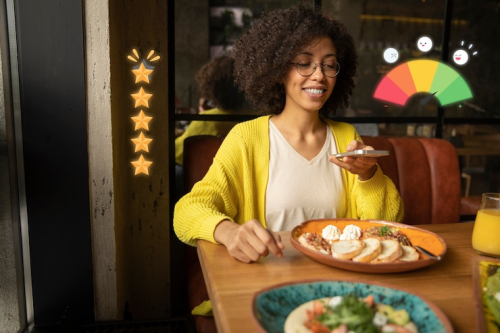
The restaurant industry thrives on innovation, and guest feedback technology is advancing rapidly. Mobile apps, in-store kiosks, and tableside tablets now enable diners to share their thoughts in real time. Picture a customer at Dave’s Hot Chicken in Austin completing a quick survey on their phone while awaiting their order. Whether they’re praising the spicy sliders or suggesting faster service, that feedback flows directly to management, enabling swift action.
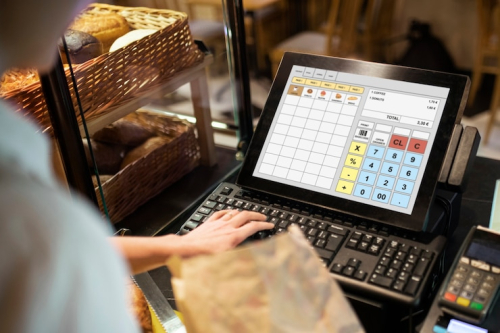
Integration is the backbone of these systems. Modern feedback tools sync effortlessly with POS and CRM platforms, creating a comprehensive view of customer behavior everything from order histories to dining frequency. This connectivity allows restaurants to personalize experiences, tailoring offers to individual preferences. The real-time nature of this data is invaluable: it empowers staff to resolve issues before a guest leaves, transforming potential complaints into moments of delight. As digital solutions replace traditional methods, restaurants gain the agility to adapt in high-pressure environments.
These advancements align with broader industry trends. The rise of mobile technology and the demand for instant service have pushed restaurants to adopt tools that deliver immediate insights. For chains operating in competitive regions like Chicago, where customer expectations are sky-high, these technologies are no longer optional they’re essential.
Real-World Success: Feedback in Action
LongHorn Steakhouse exemplifies how guest feedback software drives excellence. By analyzing customer input, the chain identifies trends, such as frequent requests for quicker seating during peak hours. This data prompts adjustments perhaps adding staff or streamlining processes that enhance service and food quality, particularly in busy markets like Texas. The result is a dining experience that feels polished and responsive, keeping guests coming back.
Dave’s Hot Chicken, a fast-growing chain, uses feedback to refine its menu. When customers praised a new sauce but flagged inconsistent portion sizes, the chain standardized recipes, boosting satisfaction and encouraging repeat visits. Similarly, NorthPoint Café in Chicago has leaned on feedback to elevate its ambiance. After guests suggested dimmer lighting for evening dining, the café made changes, creating a warmer, more inviting atmosphere that keeps tables filled.
These cases underscore a critical point: feedback isn’t just about fixing flaws it’s about amplifying strengths. Automated responses, like sending a follow-up offer to a dissatisfied guest, drive loyalty and revenue. For multi-unit operators, this ability to act on insights across locations is a powerful tool for maintaining consistency and building trust.
Challenges: Managing the Feedback Deluge
Despite its advantages, guest feedback software presents challenges. Data overload is a significant hurdle. Multi-unit restaurants, such as a busy Jimmy John’s in Chicago, may collect thousands of responses weekly. Sorting through this volume to find actionable insights can overwhelm managers, especially when comments range from glowing reviews to unhelpful rants.
Inconsistent feedback compounds the issue. Some guests offer vague or emotionally driven input perhaps venting about a bad day rather than the restaurant itself skewing the data. Integration is another pain point. As Milagro’s prospect objections highlight, replacing existing POS systems can be complex and disruptive, leading some restaurants to hesitate. Staff resistance is also common. In fast-paced environments, employees may balk at learning new technology, particularly if it feels like an added burden. These challenges require careful planning to ensure feedback systems deliver value without overwhelming operations.
Opportunities: Driving Efficiency and Growth
The benefits of guest feedback software far outweigh its challenges, offering restaurants a path to greater efficiency and profitability. Automation is a key advantage. By sending targeted follow-ups such as a discount code to a customer who had a subpar experience restaurants can boost retention. Milagro’s platform, for example, ensures systems stay online by eliminating network outages, a critical feature for high-volume chains like Cane Rosso. It also cuts costs by removing credit card processing fees, freeing up resources for other priorities.
Feedback also unlocks revenue opportunities. By analyzing data, restaurants can identify upselling potential, such as promoting a popular dessert or high-margin item. If NorthPoint Café notices guests raving about a signature latte, staff can be trained to suggest it more often, driving sales. CRM integration enables personalized experiences, turning casual diners into loyal regulars. In competitive markets like Dallas, where every interaction counts, these strategies create a measurable impact.
The business case is compelling: restaurants that harness feedback thrive. By addressing pain points and leaning into what customers love, they craft experiences that resonate. This is especially critical for multi-unit operators, where consistency across locations builds brand trust and drives long-term success.
The Future of Dining: A Feedback-Driven Revolution
The restaurant industry is at a turning point, and guest feedback software is leading the charge. Industry experts predict that AI and machine learning will elevate these tools, enabling predictive analytics that anticipate customer needs before they’re expressed. Imagine a system that detects a potential service delay and alerts staff in real time, preventing complaints entirely. Such innovations are already on the horizon, promising to redefine the dining experience.
For multi-unit operators, the call to action is clear: adopt feedback systems or risk falling behind. Platforms like Milagro’s, which eliminate outages, reduce costs, and automate retention, provide a roadmap for success. Restaurants that invest in these tools aren’t just improving satisfaction they’re shaping a future where every guest feels valued and heard. In an industry where every moment matters, guest feedback software is the key to building loyalty, boosting revenue, and ensuring every bite leaves a lasting impression.
Disclaimer: The above helpful resources content contains personal opinions and experiences. The information provided is for general knowledge and does not constitute professional advice.
You may also be interested in: Restaurant Management Software | Restaurant Management System
Scattered systems and manual processes erode your restaurant’s margins daily. Milagro unifies POS, digital menus, online ordering, staffing, loyalty, and AI-powered marketing into one platform, slashing costs and enhancing guest loyalty. Reclaim control over operations and drive revenue growth. Streamline your workflow and elevate profitability. Schedule your Milagro demo today!
Powered by flareAI.co