
Quick Listen:
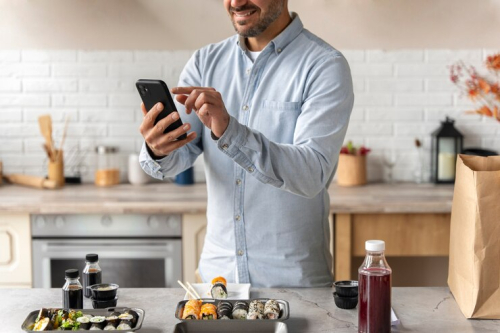
Imagine you’re craving a fresh burrito during the lunch rush, but the line at your go-to fast-casual restaurant stretches out the door. Rather than wading into the fray, you open your phone, customize your order with a dollop of extra guacamole, and stroll in to grab it bypassing the wait entirely. This isn’t a pipe dream; it’s the reality of mobile ordering, a technology revolutionizing how fast-casual restaurants operate and how we dine. In an industry where speed and convenience are paramount, mobile ordering has become the linchpin for restaurants striving to meet the demands of a tech-savvy clientele.
Fast-Casual’s Digital Leap Forward
The fast-casual dining sector, bridging the gap between quick-service eateries and upscale dining, is thriving. According to a report from Straits Research, the global fast-casual market was valued at $179.19 billion in 2024 and is expected to climb to $318.52 billion by 2033, growing at a 6.6% compound annual growth rate. Fast-casual restaurants, known for their emphasis on fresh, locally sourced, and organic ingredients, offer higher-quality meals than traditional fast food at prices more accessible than fine dining. Since gaining traction in 2009, this sector has leaned heavily on technology to maintain its edge. Mobile ordering, where customers place orders through apps or websites, has emerged as a cornerstone, transforming not just customer interactions but the entire operational framework of these establishments.
The surge in mobile ordering is undeniable. Major chains like Taco Bell, Wendy’s, and Starbucks have seen their apps downloaded tens of millions of times, as noted by Eater. Customers now expect to fine-tune their orders say, extra pickles or no mustard with a few taps, bypassing the chaos of drive-thru speaker boxes. Paired with digital payments and location-based services, mobile ordering is streamlining interactions, making them faster, more precise, and deeply personalized.
The Rise of Contactless Dining
The demand for contactless dining, accelerated by health concerns in recent years, has solidified mobile ordering’s role in fast-casual operations. Diners now prefer to order without interacting with staff or handling physical menus. A Technavio forecast predicts the fast-casual market will expand by $385.1 billion between 2024 and 2029, with digital ordering systems and mobile apps driving much of this growth, particularly in North America. These platforms don’t just cater to convenience; they overhaul kitchen workflows, from prep to pickup, ensuring orders are fulfilled with precision.
Loyalty programs are a critical driver of this shift. Chains are embedding rewards into their apps, incentivizing repeat business with points and perks. Starbucks, for example, has perfected this model, turning mobile ordering into a gamified experience where customers earn stars toward free items. Smaller chains are following suit, leveraging platforms like Milagro, a restaurant technology provider, to integrate loyalty programs and optimize operations. Innovations like AI-powered recommendations suggesting a side based on past orders further enhance the experience, transforming routine transactions into tailored interactions that keep customers engaged.
Success Stories: Big and Small
Consider Chipotle, a fast-casual juggernaut. Its mobile app, downloaded by millions, allows customers to craft burritos with pinpoint accuracy and schedule pickups to avoid peak-hour crowds. The impact is clear: kitchens process orders faster, and customers leave happier. According to Food & Wine, 75% of restaurant traffic now consists of takeout, with 95% of consumers citing speed as critical to their experience. Chipotle’s app doesn’t just facilitate orders; it optimizes the entire process, boosting sales and slashing wait times.
Smaller operators are also capitalizing on this trend. A local chain in Austin, for instance, adopted Milagro’s mobile ordering platform to compete with national brands. By offering app-based ordering and loyalty rewards, they’ve seen a 20% increase in repeat customers. From global chains to neighborhood spots, mobile ordering meets diverse needs: it simplifies complex customizations, minimizes errors, and accelerates service during high-traffic periods, leveling the playing field for restaurants of all sizes.
The Roadblocks: Technology’s Double-Edged Sword
Yet, the path to mobile ordering isn’t without obstacles. Integrating these systems with legacy point-of-sale (POS) setups can be a logistical nightmare. Outdated systems often fail to sync with modern apps, leading to glitches that frustrate both staff and customers. Employee training poses another challenge. Chatmeter’s 2024 QSR Reputation Ranking reveals growing customer complaints about service disruptions linked to mobile ordering. Staff must balance in-person and digital orders, and without adequate training, errors multiply think incorrect orders or extended wait times that leave workers frazzled.
Reliance on technology also carries risks. A downed app or a cybersecurity breach can paralyze operations, especially during peak hours. With apps handling sensitive customer data, security is a pressing concern. These challenges underscore the need for robust solutions: intuitive training programs, reliable backup systems, and stringent cybersecurity measures to keep operations humming even when technology stumbles.
Unlocking Efficiency and Revenue
The rewards, however, are substantial. Mobile ordering automates order entry, reducing human error and allowing kitchens to prioritize tasks based on real-time data. This ensures food reaches customers faster and fresher. According to Grand View Research, the global online food delivery market was valued at $288.84 billion in 2024 and is projected to grow at a 9.4% CAGR through 2030. For fast-casual restaurants, this translates to higher order volumes and increased revenue, as apps subtly encourage upselling prompting customers to add drinks or desserts with a single tap.
The customer experience is transformed as well. Mobile apps empower diners to order on their terms, whether customizing a salad or scheduling a pickup. The National Restaurant Association notes that 60% of Gen Z and Millennials are ordering takeout more frequently, prioritizing speed and convenience. By offering personalization and reducing wait times, mobile ordering fosters loyalty in a crowded market. Restaurants using platforms like Milagro consistently report higher customer satisfaction, as diners value the control and efficiency these systems provide.
The Future of Fast-Casual: Mobile and Beyond
For diners, we’re in an era of unprecedented convenience. Ordering a gourmet burger or a plant-based bowl with a few taps has become the new norm, blending speed with personalization. Fast-casual restaurants that embrace mobile ordering aren’t just adapting they’re leading the charge, delivering fresh, fast, and customized meals that keep customers returning. In a world where time is scarce and expectations soar, mobile ordering is the catalyst that ensures the fast-casual industry thrives, one tap at a time.
Disclaimer: The above helpful resources content contains personal opinions and experiences. The information provided is for general knowledge and does not constitute professional advice.
You may also be interested in: The Actual Cost of Internet Outages on Restaurant Operations
Scattered systems and manual processes erode your restaurant’s margins daily. Milagro unifies POS, digital menus, online ordering, staffing, loyalty, and AI-powered marketing into one platform, slashing costs and enhancing guest loyalty. Reclaim control over operations and drive revenue growth. Streamline your workflow and elevate profitability. Schedule your Milagro demo today!
Powered by flareAI.co